
Tasty Money: Foods People Used to Pay With
Learn how ancient people used foods like cacao, spices, salt, and grains as money. A fun, kids-friendly guide about history and ancient trade.
WORLD HISTORY
Did You Know? People Once Used Food as Money!
Did you know that people haven’t always used coins or paper money to buy things? A long time ago, instead of coins or bills, people often used food as money! Food was valuable, easy to trade, and everyone needed it. Let’s explore some of the tasty and surprising foods that were once used to pay for goods.
Foods That Were Used as Money
1. Cacao Beans: The Chocolate Currency
In Central America, the Aztecs and Mayans didn’t just enjoy cacao as a drink—they used cacao beans as money! These little beans were traded for food, clothing, and even other goods. Imagine paying for something with chocolate!
2. Spices: Gold from the Garden
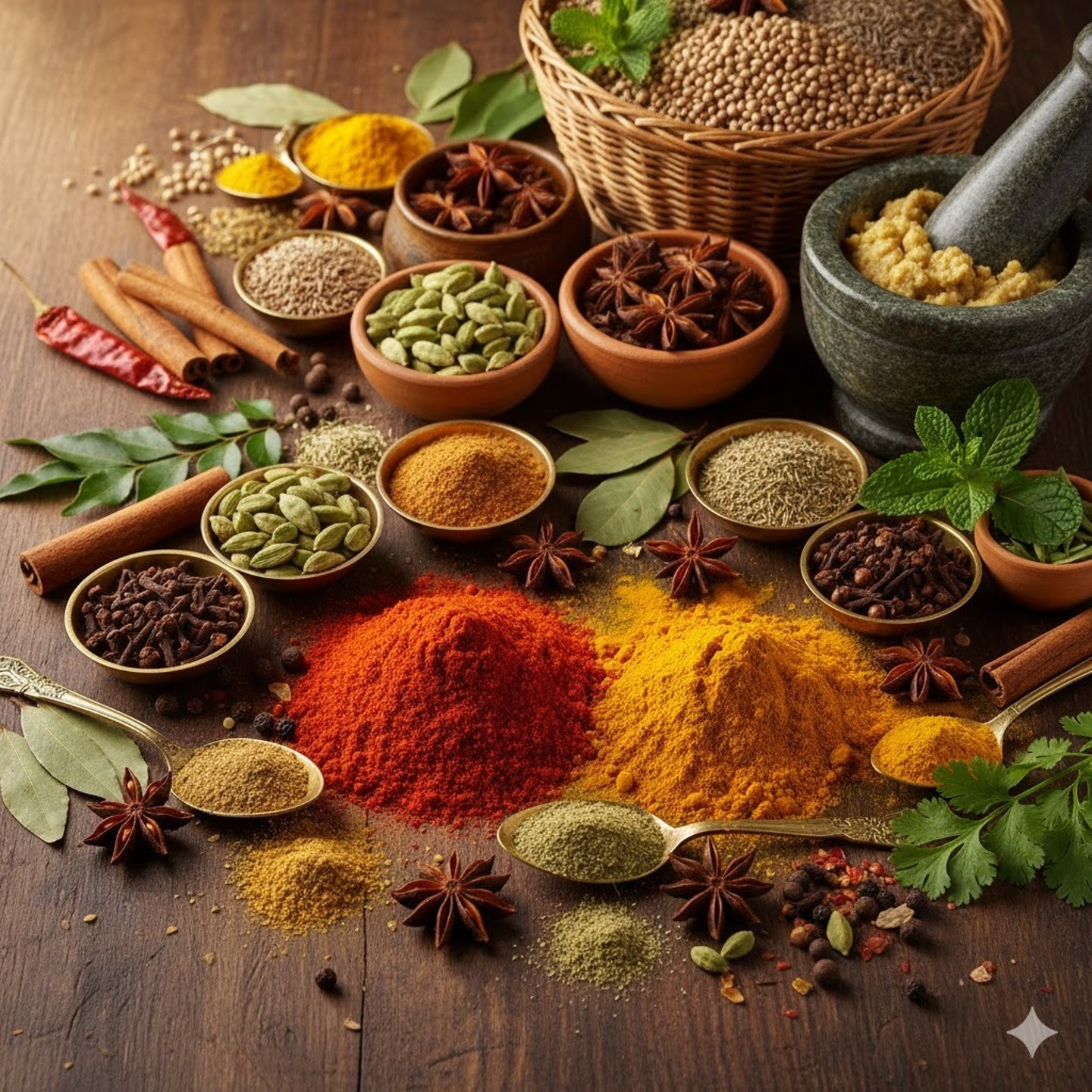
Spices like pepper, cinnamon, cloves, and nutmeg were so valuable in ancient times that they were used as currency. Traders exchanged spices for goods, and they helped people preserve food and add flavor to meals.
3. Salt: White Gold
Salt was extremely important because people needed it to preserve food and make it taste better. It was so precious that it was often traded like money, and soldiers were sometimes paid with salt—hence the word “salary” comes from the Latin word salarium, meaning salt payment.
4. Grains: Food for Trade
Staple grains like rice, wheat, and barley were used as money in many ancient villages. Farmers could trade their grain for tools, clothes, or livestock. Grain was practical because everyone needed it to eat.
5. Tea Leaves: A Leaf of Wealth
In ancient China, tea leaves were so valuable that they were used to buy goods and pay taxes. Tea was not only a drink but also a symbol of wealth and culture.
Fun Facts for Kids
Using food as money helped communities share resources and survive.
Many foods were portable, in high demand, and durable, making them perfect for trade.
Today, we use coins and paper money, but these foods still remind us that food has always been valuable.